We like to pretend fashion exists outside politics, that trends emerge from creativity alone, untouched by power, fear, or history. As if silhouettes rise and fall by accident, and designers pivot from bold to restrained on a whim. But fashion has always responded to shifts in power the way sodium reacts to water: visibly, violently, and immediately. What we wear is never just about taste. It reflects the social mood we are being asked to survive.
No one is forcing slicked-back buns or beige wardrobes at gunpoint. But voluntary choices are still shaped by power, by what is rewarded, what is punished, and what is read as respectable. Agency doesn’t disappear, it just dons a new camouflage.
1900s:
The main fashion trend of the first decade of the 20th century was the S-shape silhouette that pushed the chest forward and the hips back. However, towards the end of the decade, women embraced a more natural silhouette.1910s : World War I
Women’s fashion shifted decisively toward practicality. As women entered factories and industrial labour, clothing prioritised durability and ease of movement, introducing utilitarian clothing.1920s : Post-War Adjustment
In the aftermath of the war, restrictive silhouettes were rejected in favour of simplicity and comfort. The flapper—or la garçonne—look embraced straight cuts and minimal structure. While often framed as liberation, this aesthetic also mirrored a broader cultural fatigue with excess following prolonged instability.1930s
Women’s fashion softly transitioned from the boyish look of the previous decade into the feminine silhouette of the early thirties.1940s : World War II
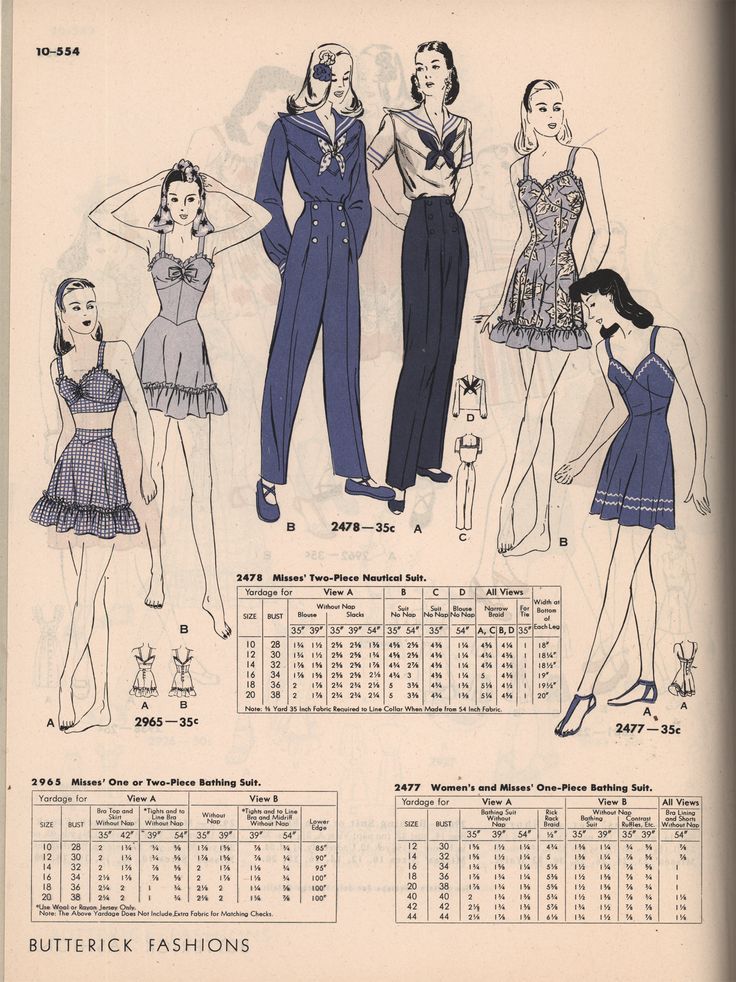
World War II reinforced fashion’s retreat into functionality. Material shortages and rationing produced standardised uniforms and utility clothing, leaving little room for individual expression. Design was governed by necessity and national discipline rather than creativity or indulgence.1950s–1990s: Excess, Colour, and Expression
The decades following World War II marked a visible expansion of fashion as expression. With relative economic growth and cultural shifts, clothing became increasingly bold, colourful, and experimental.Early 2000s : Post-9/11 Climate
After 9/11, fashion once again moved toward conservatism. Casual, understated clothing dominated, with denim emerging as a universal staple.2008 : Global financial crisis
Fashion began shifting away from conspicuous consumption toward minimalism and restraint, laying the ideological groundwork for “quiet” aesthetics.Late 2010s
Throughout the late 2010s, this translated into capsule wardrobes and neutral-heavy minimalism, but it remained relatively niche.2020 – 2021: COVID 19 Pandemic
The COVID-19 pandemic (2020–2021) marked a decisive turning point, as global uncertainty accelerated the desire for control, stability, and inherited ease, allowing the “old money” aesthetic to fully resurface.2022 – 2025 : Age of Social Media
By 2022, social media codified this look into a dominant trend, reframing conservatism, restraint, and class-coded minimalism as aspirational. By 2025, “old money” had shifted from trend to default ideal, revealing how fashion repeatedly responds to crisis by rewarding discipline and invisibility, especially for women.
Again and again, during war, economic instability, and political extremism, fashion tightens. Hemlines drop. Colours mute. Silhouettes stiffen. Ornament disappears. Self expression dies.
But first…
What does Old Money Actually Mean?
“Old money” is not simply tailoring, quality fabrics, or neutral palettes. Those elements have existed across cultures and eras. What we’re talking about here is a classist aesthetic that signals inherited wealth, restraint, and moral superiority, increasingly popularised through social media cosplay that frames poverty as aesthetic failure and access as taste.
This aesthetic thrives in moments of instability because it promises safety. It tells women that if they look restrained enough, quiet enough, inherited enough, they will be spared from judgment, precarity, being seen as excessive. This is the same promise wartime fashion has always made: behave correctly, dress modestly, and you will be protected.
This version of minimalism doesn’t just reject logos or fast fashion. It glamorises exclusion: racial homogeneity, thinness, quietness, and the assumption that wealth is something you arrive with, not reach for.
But the gender divide is where the illusion collapses.
Men in old money fashion are allowed age, bulk, boredom, authority. Their clothes signal seriousness without demanding smallness. A wrinkled linen shirt reads as intellectual. A heavier body reads as powerful. Silence reads as gravitas.
Women, meanwhile, must be thin, young, polished, quiet. The same neutrality that grants men authority demands women’s disappearance. For women, restraint is not read as confidence, it’s read as correctness.
This isn’t sexual desirability in the old sense. It’s something more insidious: post-sexual approval. The old money girl is not meant to be wanted; she is meant to be acceptable. Respectable. Safe. She is not messy, angry, tired, or political. She is digestible.
The male gaze hasn’t disappeared. It’s matured. It no longer asks women to be hot. It asks them to be unthreatening.
But then again, you may ask, Isn’t this just Minimalism?
Defenders may even argue that Minimalism is anti consumerist. Some may find neutral clothing freeing. That Tiktok ‘old money’ isn’t real heritage dressing!
All of this can be partially true — and still incomplete.
Yes, minimalism can resist trend churn. Yes, opting out of hyper-sexualised femininity can feel like relief. Comfort is real. So is the desire for seriousness.
But comfort is not neutral when it becomes compulsory.
The question isn’t why people find this aesthetic soothing, it’s why that soothing is so aggressively gendered, and why deviation is punished. Who gets read as “tacky,” “unstable,” “unserious,” or “trying too hard”? Who is granted experimentation without moral judgment?
Old money sells restraint as refinement, silence as confidence, thinness as discipline, whiteness as neutrality, and wealth as virtue. It doesn’t just shape wardrobes, it narrows futures. It gatekeeps seriousness. It moralises femininity.
Fashion can be bold, experimental, colourful. Even transgressive. It always has been capable of that. But when femininity is only celebrated in its quietest, richest, most obedient form, we should stop calling it style and start calling it what it is: control.
And control, dressed up as elegance, is still control.
(Images don’t belong to me. Credit for image given to owner)
Leave a Reply